
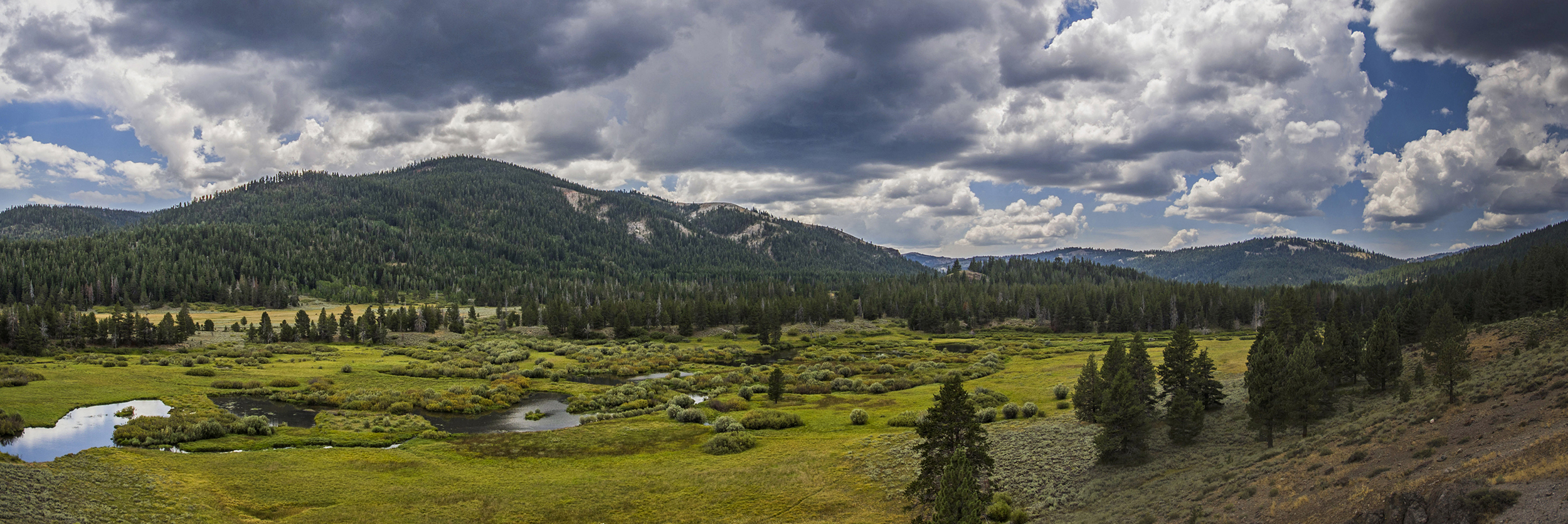
Forests
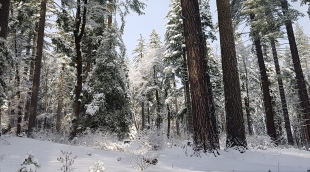
Learn About Berkeley Forests
Berkeley Forests operates six research forests throughout the state to develop and test appropriate management strategies for forested watersheds that will flourish under different climate change scenarios. Berkeley Forests is home to the oldest permanent forest plots (1915) and longest running forestry summer camp (1917) in the Western United States. Support our mission by contributing to the Berkeley Forests Fund which is directly allocated to forest management research and education efforts at our properties.
Fire
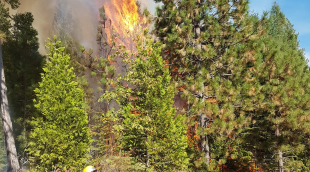
Understanding Fire in California
Given the importance of fire in many ecosystems, along with our dependence on and development into inherently fire-prone landscapes, we need to reach a sustainable coexistence with wildfire. Our goal is to develop and disseminate science-based solutions to wildfire-related challenges.
News
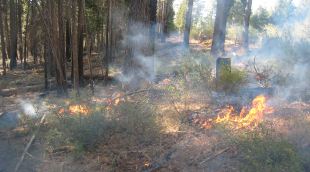
Twenty-year study confirms California forests are healthier when burned — or thinned
Berkeley Forests researchers publish new findings as the historic Fire and Fire Surrogate Study enters its second decade.